Gynecology Symptoms and Conditions: What Your Body Might Be Trying to Tell You
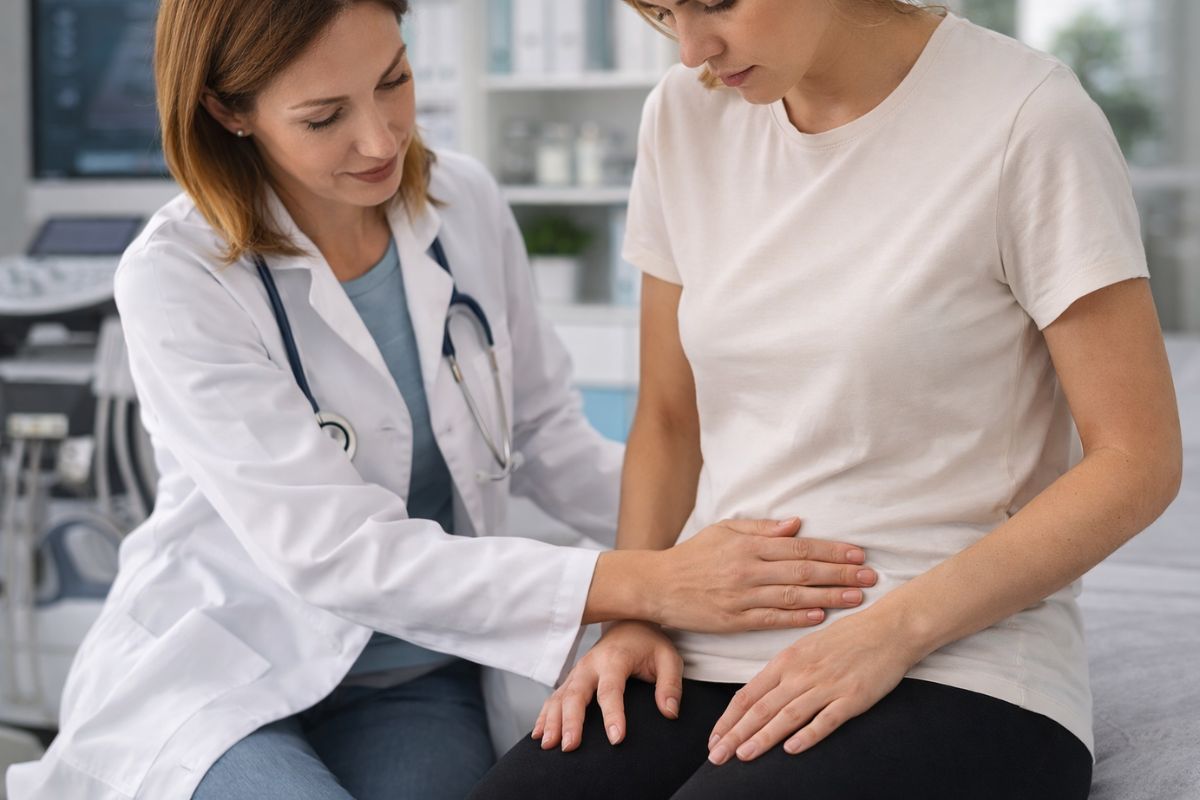
Most of the time, women don’t really sit around thinking about gynecological health. Not unless something feels off, anyway. And even then… it’s surprisingly easy to brush things aside for a bit. A late period. Some random discomfort. Changes that don’t seem like a big deal at first. It all gets pushed to the back of the mind, you know?
But here’s the thing about gynecology. The body doesn’t usually stay quiet for no reason. It just doesn’t.
The Signs Are Often There, Just Not Obvious
Not every condition shows up loudly. In fact, most don’t. They kind of creep in. Slowly. A slightly heavier period. A dull ache in the lower abdomen. Cycles that feel a little… off.
Easy to ignore, honestly. Life gets busy. You assume it’s stress. Or maybe your routine changed. Happens to everyone, right? But when something keeps happening again and again, it’s probably not random. It’s worth noticing—at least a little.
Getting Familiar With Your “Normal” Helps A Lot
This part actually makes a bigger difference than people expect. Just knowing what’s normal for you. Sounds simple, but it’s not something everyone pays attention to.
Because everyone’s different. Cycles vary. Pain tolerance, too. Hormones do their own thing. So when something shifts—even slightly—you feel it faster. Maybe your cycle shortens. Maybe the pain hits sharper than usual. Or maybe you just feel… off. Can’t explain it, but it’s there. Those small changes? They matter more than we tend to admit.
ALSO READ: Women’s Health and Peri-Menopause (Early Stages)
What Could Be Behind These Symptoms?
There are a few common reasons behind these kinds of changes. Nothing too rare, actually.
Fibroids are one of them. Pretty common, oddly enough. Not always dangerous, but they can cause heavy bleeding. Or that constant feeling of pressure. Some women don’t even realise they have them at first. Then one day, it starts interfering with daily life, and yeah—it becomes hard to ignore.
Then there’s PCOS. That one tends to mess with hormone balance. You might notice irregular periods. Acne that just won’t quit. Weight changes that don’t make sense. It can feel frustrating, to be honest.
Endometriosis is another one. Often misunderstood. And yeah, it can be painful—especially during periods. More than what people usually expect, actually.
If you want a clearer picture of how these symptoms connect—especially when it comes to fibroids—this guide on Gynecology Symptoms and Conditions explains it in a way that’s pretty easy to follow. Not overly complicated, which is nice.
When It’s Better Not To Wait
Some signs shouldn’t be ignored. Like, really shouldn’t. If the pain feels intense. If bleeding suddenly gets very heavy. Or if your cycle changes out of nowhere—it’s better to get it checked.
Does it always mean something serious? No, not necessarily. But waiting too long can make things more complicated than they need to be. And honestly, why take that chance?
Regular Visits Make Things Easier In The Long Run
A lot of people only see a doctor when something feels wrong. Totally understandable. Most of us do that. But it’s not always the best approach.
Even occasional check-ups can help catch things early. Before they turn into bigger issues. It’s less about reacting in panic later. More about staying a step ahead now. Kind of like maintenance, if that makes sense.
Where You Go For Care Actually Matters
Not every healthcare experience feels the same. And let’s be real, that matters more than we admit. The right doctor makes a difference. Someone who listens. Who explains things clearly? Who doesn’t rush you out the door?
If you’re looking for a place that actually covers gynecological concerns in detail and offers proper support, you can check out a Hospital. They share useful information and provide access to medical care, which honestly makes things feel a bit less overwhelming.
It’s Really About Paying Attention, Not Overthinking
At the end of the day, this isn’t about stressing over every tiny change. That would be exhausting. It’s more about noticing patterns. And not ignoring them for too long.
Your body usually drops hints. Subtle ones at first. Before anything serious shows up. The trick is not to dismiss those hints completely—even if it’s tempting to.
And beyond doctor visits, everyday habits play a role too. Sleep. Food. Stress levels. They’re all connected, even if it doesn’t always seem obvious. If you’re trying to improve that part of your routine, you can explore live and feel for simple, practical ideas around overall wellness.
Taking care of your health doesn’t have to be complicated. It really doesn’t. Most of it comes down to awareness. A bit of attention here and there. And knowing when it’s time to take that next step.
Sources
American College of Obstetricians and Gynecologists (ACOG). (2026, March 20). Endometriosis clinical guidance: Targeting diagnostic delays and improving access to care. JAMA Network.
- World Health Organization (WHO). (2026, January 22). Polycystic ovary syndrome fact sheet: Symptoms, risks, and management. WHO Newsroom.
- Casavant, M. (2026). Uterine fibroid symptoms: Essential guide 2026. South Lake OB/GYN.
Disclaimer: This content is provided for informational purposes only and should not be considered medical advice or a substitute for professional consultation. The information presented is not intended to promote any specific organisation or service. Readers are encouraged to consult qualified healthcare professionals for diagnosis and treatment. The publisher is not responsible for any decisions made based on this content.