Did You Know? The Fascinating Science Behind The Tattoo Ink
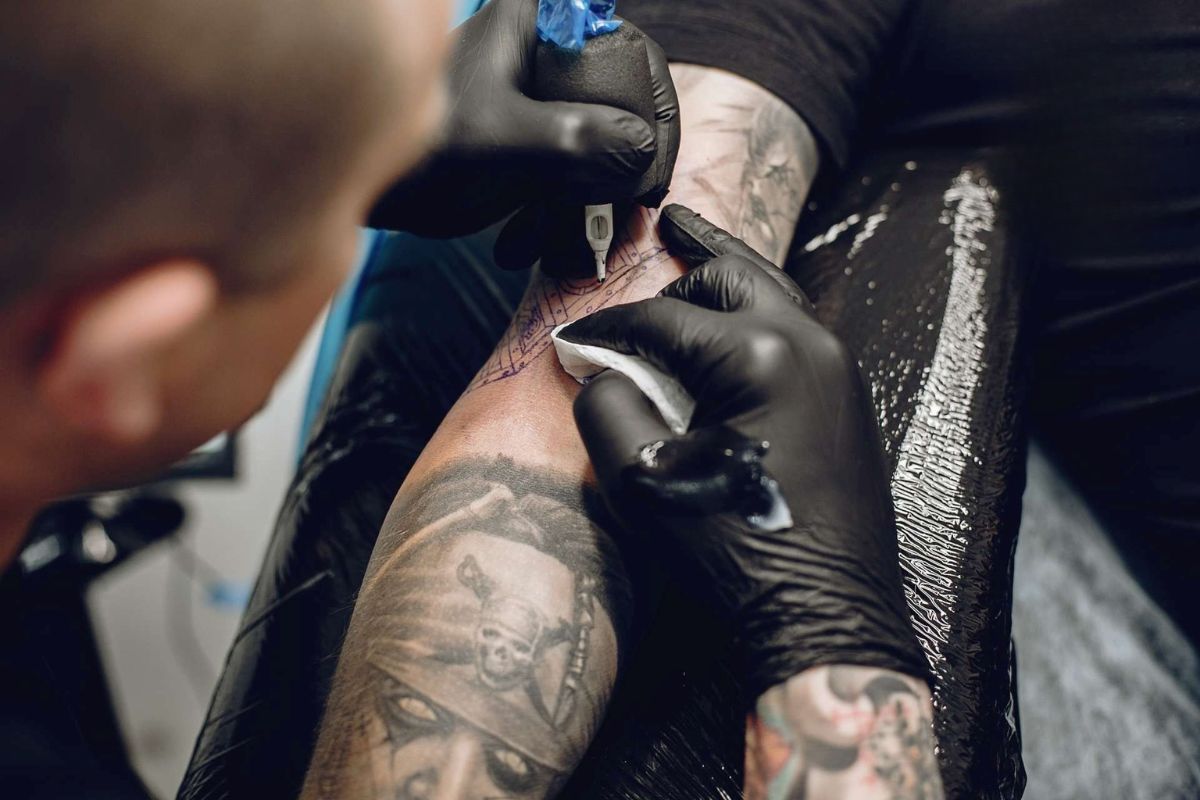
Tattoos are more than simple artistic designs. They’re experiences. The kind that involve both the mind and the body in ways people don’t always expect.
For anyone thinking about getting a tattoo in Cheltenham, the whole thing actually starts long before any ink touches skin. Seriously. The journey begins earlier than most people realize.
There’s the anticipation. That slow build-up. A bit of excitement mixed with nerves—maybe more nerves than you’d like to admit. And then there’s the environment itself. The sounds, the smells, the buzzing of the machine. All of it quietly shapes how your body reacts to pain during the session.
Funny thing is, most people assume tattoos are just… painful. End of story. But reality? It’s a little more complicated than that. Research and plenty of real-life stories suggest something else is going on beneath the surface.
Getting tattooed triggers both neurological and psychological responses. Your brain gets involved. Your body too. And oddly enough, those responses can actually shift how pain feels. Some parts of the process end up being far more manageable than people expect.
Every tattoo—whether it’s a tiny symbol or a full sleeve—kind of reveals something about how the body deals with controlled discomfort. It’s fascinating, honestly. A little strange too, but fascinating.
Endorphins: Your Body’s Natural Painkillers
Once the tattoo needle starts puncturing the skin, your body reacts immediately. It recognizes the repeated, controlled stress. Even though you chose it, your nervous system still goes, “Alright, something’s happening here.”
Those tiny punctures trigger a response. The brain releases endorphins. These chemicals act like built-in painkillers. Nature’s version of a coping mechanism, you could say.
Endorphins don’t just dull pain. They can also create a mild sense of well-being. Sometimes even a little rush. Not everyone feels it the same way, but plenty of people do.
A lot of tattoo clients talk about what they call the “tattoo high.” It sounds dramatic, but it’s actually pretty comparable to what athletes feel after a tough workout. That post-exercise buzz. Same family of chemicals, basically.
Because of this endorphin release, the discomfort often becomes more tolerable. Some people even settle into the sensation after a while. They relax. They chat. A few hours pass, and they’re surprised they handled it so well.
And here’s the interesting part—those chemicals don’t just disappear right after the session ends. The body can stay in that slightly elevated state for a bit. Clients often leave feeling calm. Maybe proud. Maybe relieved.
So yeah, the tattoo experience isn’t only artistic. It’s psychological. It’s physiological too. The whole thing is happening on multiple levels at once.
Of course, endorphin responses vary from person to person. Stress levels matter. Previous experiences with pain matter. Even the anticipation leading up to the appointment can influence how strong that response becomes.
Which probably explains something people joke about all the time—why some folks seem almost addicted to getting tattooed. Not necessarily the pain, but the feeling afterward. That part sticks with you.
ALSO READ: The Power of Nature: How Spending Time Outdoor Reduces Stress
The Mind-Body Connection
Pain isn’t just physical. That’s the thing people sometimes forget. The way we feel pain is deeply tied to our mental and emotional state.
When you’re getting a tattoo, that connection becomes pretty obvious. How you think before the session matters. How you feel during it matters too.
People who breathe slowly and stay relaxed often report less discomfort. It sounds simple. Maybe even obvious. But it works.
Some clients focus on the artwork being created. They imagine the final result. They think about the meaning behind the design. Others just talk with the tattoo artist in Cheltenham and let the conversation distract them.
That shift in attention can help. The brain stops obsessing over the needle. Instead, it focuses on something else. Something more positive.
Fear, on the other hand, can amplify everything. Stress hormones like cortisol kick in when someone feels anxious. Those hormones heighten sensitivity.
So the tattoo might feel sharper. More intense. Even if the actual sensation hasn’t changed much.
That’s why calming techniques matter so much—especially for first-timers. Controlled breathing helps. Listening to music helps. Some people even use guided visualization. It might sound a bit unusual, but hey, if it works, it works.
Interestingly enough, positive emotions can shift pain perception too. Looking forward to the finished tattoo makes a difference. The brain sort of prioritizes the reward.
That anticipation—the excitement of seeing the final artwork—can soften the pain signals just a little. Not completely, of course. But enough to matter.
Why Some Areas Hurt More Than Others
Let’s be honest. Not all tattoos feel the same. Some spots are manageable. Others… well, they can be rough.
Tattoo pain levels depend on several factors. Location on the body is a big one. Your individual nervous system also plays a role.
Certain areas are simply more sensitive by nature. Places with thinner skin tend to react more strongly. Areas with lots of nerve endings can feel sharper too.
Then there are spots with less muscle or fat. Without that cushioning, the needle sensation can feel more direct. More noticeable.
The size of the tattoo matters as well. Bigger pieces obviously take longer. That means the needle stays in contact with your skin for extended periods.
Intricate designs can add another layer of discomfort. Fine line portraits. Detailed geometric patterns. Those styles often require multiple passes over the same area.
And yeah, that repetition can build up the sensation over time.
Skin texture matters too, oddly enough. Thicker skin sometimes handles repeated needle contact a bit better. Delicate or thinner skin may transmit sharper sensations.
Still, pain perception varies wildly from person to person. Genetics influence it. Past experiences do too. Even your mood on the day of the appointment can change things.
Some clients naturally have higher pain thresholds. Others feel every tiny vibration from the machine. Neither reaction is unusual. It’s just how bodies differ.
ALSO READ: How Does Tattoo Removal Affect Sensitive Skin?
Tattoos And Increasing Pain Tolerance
Something interesting tends to happen with people who get tattoos regularly. Over time, the body adapts.
It’s not exactly training in the traditional sense. But the nervous system does become more familiar with the sensation.
During later sessions, the brain already knows what’s coming. It anticipates the stimulus. That anticipation can actually help regulate the response.
Endorphin release may become more efficient too. The body kind of learns the pattern. It prepares itself better.
That doesn’t mean tattoos become painless. Let’s not pretend that’s the case. But many clients say their second or third session feels easier than the first.
Mental preparation plays a role there as well. When someone walks in calm, comfortable, and familiar with the process, the experience changes.
In a way, the body adapts to the art it carries. You push through the discomfort. And somewhere along the line, the process becomes part of the reward.
Seasoned tattoo enthusiasts talk about this a lot. They describe the experience as challenging, sure—but also empowering. Which might sound dramatic until you’ve actually sat through a long session yourself.
Would You Consider Getting A Tattoo?
Tattoos sit at an unusual crossroads. Art. Science. Psychology. All tangled together in one experience.
The pain is temporary. That part fades. What tends to stay is the memory of the process, the endorphin rush, and the sense of accomplishment afterward.
And of course, the artwork itself. Permanent. Personal. A story on skin.
For anyone thinking about getting inked, working with a skilled artist makes a huge difference. Comfort matters. Trust matters even more.
Danny Romano, a renowned tattoo artist in Cheltenham, is known for creating designs that are visually striking. But that’s not the whole story. His work is also tailored to each client’s comfort level and personal narrative.
Understanding how the body reacts during a tattoo session can make the whole process feel less intimidating. Maybe even enjoyable—well, enjoyable in its own strange way. And for many people, the experience ends up being far more rewarding than they expected.
Reference:
- Rogers, E. (2025, June). Grief, trauma and the curious case of tattoos and piercings as coping mechanisms in the world of mental health. Acta Scientific Neurology, 8(6). Benedict College.
- PrairieCare. (2025). Tattoos and mental health: It’s more than skin deep. PrairieCare.
- Jolley, A. (2024, October 8). The pain paradox: Why tattoos feel good and leave us wanting more. Stories & Ink.
- Atkinson, M. (2003). Tattooed: The sociogenesis of a body art. University of Toronto Press.
- DeMello, M. (2000). Bodies of inscription: A cultural history of the modern tattoo community. University of California Press.
Disclaimer: This article is published for informational and educational purposes only. The content is not intended to promote, advertise, or endorse any specific individual, brand, or service mentioned within the text. Readers should conduct their own research or consult appropriate professionals before making decisions related to tattoos or body art. The publisher assumes no responsibility for actions taken based on the information provided.