Reviving Old Yachts: Tips for a Fresh and Long-lasting Finish
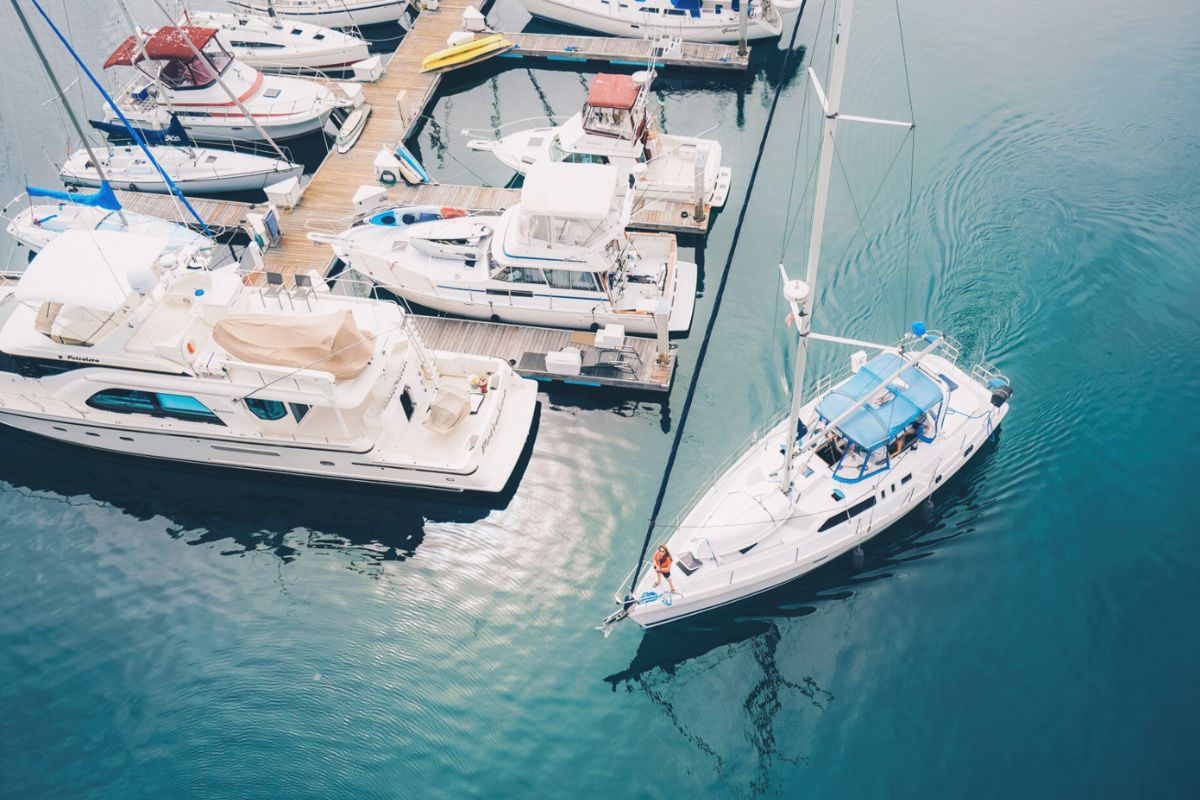
Owning a yacht is often a dream come true, yet maintaining its appearance and performance can be a demanding task.
Over time, exposure to saltwater, sunlight, and fluctuating weather conditions can leave even the most well-maintained yachts looking dull and worn. The process of restoring an older vessel to its former glory involves more than a simple wash and polish, it requires careful planning, knowledge of materials, and attention to both aesthetic and structural details. A fresh finish not only enhances the visual appeal of the yacht but also protects the vessel against long-term damage, extending its lifespan and preserving its value.
Reviving an older yacht is also an opportunity to improve functionality and safety. Beyond surface aesthetics, deterioration in coatings can lead to corrosion, weakened materials, or compromised integrity of critical components. A thoughtful approach to restoration can mitigate these risks, ensuring that the yacht remains seaworthy while offering a fresh and polished look. This is particularly important for owners planning extended trips or considering resale, as both buyers and insurers pay close attention to the condition of the vessel.
The journey to a long-lasting finish combines preparation, the right choice of products, and proper application techniques. Modern advancements in marine coatings have expanded the options available to yacht owners, offering superior durability, UV protection, and resistance to harsh marine environments. By selecting suitable finishes and following a careful restoration process, even older yachts can achieve a finish that rivals new vessels, blending style, protection, and performance seamlessly.
Preparing The Yacht For Restoration
The first step in reviving an old yacht is comprehensive preparation. Assessing the condition of the hull, deck, and exposed surfaces allows owners to identify areas requiring repair, sanding, or cleaning. Removing old layers of paint and varnish is essential for achieving a smooth base, and this step often involves mechanical sanding or chemical stripping, depending on the existing coatings and the material of the yacht. Cleaning surfaces thoroughly to remove salt, algae, and grime ensures proper adhesion of new coatings.
Repairing minor damages before painting or applying marine coatings is critical. Scratches, cracks, and small dents should be filled and smoothed, while any signs of corrosion on metal fittings must be treated to prevent further deterioration. Wood surfaces require careful sanding and sealing to maintain structural integrity, while fiberglass or composite sections may need patching or reinforcement. Proper preparation not only ensures a visually appealing result but also enhances the durability of the applied finish.
Environmental conditions play a significant role during preparation. Ideally, work should be carried out in dry, ventilated areas away from direct sunlight or high humidity, as these factors can interfere with paint adhesion and curing. Proper ventilation is also crucial when using chemical strippers or solvents to protect both the worker and the surrounding environment. Taking time during this preparatory stage pays dividends in the longevity and quality of the final finish.
ALSO READ: How to Find the Best Deals on Airport Parking for Your Trip
Choosing The Right Coatings And Techniques
Selecting the appropriate coatings is one of the most important decisions in the restoration process. High-quality options for hulls and decks include antifouling paints, clear varnishes, and specialized marine topcoats. Antifouling paints protect submerged areas from algae and barnacle growth, which not only improves performance but also reduces long-term maintenance. Clear varnishes and topcoats preserve the natural beauty of wood while offering UV and moisture protection, preventing the finish from cracking, peeling, or fading prematurely.
Application techniques significantly impact the outcome. Brushes, rollers, and spray equipment each have specific advantages depending on the surface and type of coating. Spraying often provides a smoother, more uniform finish, while brushing allows for better control in smaller or intricate areas. Layering coatings correctly, including priming, base coats, and topcoats, ensures both aesthetic appeal and protective performance. Following manufacturer recommendations regarding drying times and temperature conditions is crucial for optimal results.
A common consideration during yacht restoration is the use of boat paint & marine coatings. Modern formulations provide longer-lasting protection and improved resistance to salt, sun, and mechanical wear. By choosing products designed specifically for marine environments, yacht owners can achieve a finish that is not only visually striking but also resilient against the challenges of life at sea. Combining the right products with precise application techniques sets the foundation for a finish that will endure years of exposure and use.
Maintaining The Revived Finish
Restoring a yacht is only part of the process; maintaining the finish ensures that the investment pays off over time. Routine cleaning and polishing prevent buildup of salt, dirt, and contaminants that can damage coatings. Gentle, non-abrasive cleaning products are recommended to avoid scratching the surface, particularly on varnished wood or high-gloss paint. Regular inspections allow for early detection of wear, fading, or minor damages before they escalate into larger issues.
Protective measures can extend the life of coatings considerably. Covering the yacht when not in use, applying UV-blocking polishes, and periodically reapplying antifouling paint in submerged areas helps preserve both appearance and performance. Seasonal maintenance schedules, particularly in regions with harsh winters or strong sunlight, provide structured care that keeps the yacht looking and performing at its best throughout the year.
Attention to hardware and fittings complements the maintenance of the finish. Metal and composite elements should be cleaned, polished, and treated for corrosion, while moving parts such as hinges, cleats, and rails require lubrication and inspection. Maintaining these components ensures that the yacht remains functional and safe while protecting the newly applied coatings from unnecessary wear. A combination of regular cleaning, protective measures, and mindful upkeep guarantees that a restored yacht retains its fresh and long-lasting finish for many seasons.
Ensuring A Lasting And Beautiful Yacht
Reviving an old yacht is a rewarding endeavor that combines creativity, skill, and technical knowledge. With careful preparation, selection of high-quality coatings, and attention to application techniques, even aged vessels can achieve a finish that rivals new yachts. The right approach enhances not only aesthetics but also structural integrity, protecting the yacht against environmental stresses and prolonging its life on the water.
Long-term maintenance is equally essential. Cleaning, polishing, and routine inspections help retain the brilliance of the finish while preventing minor issues from escalating. Applying seasonal protective measures and monitoring hardware ensures that both the surface and functional elements of the yacht remain in optimal condition. By integrating these practices, yacht owners can enjoy a vessel that is visually stunning and mechanically reliable.
Ultimately, the restoration process is about preserving and enhancing the unique character of each yacht. Utilizing modern solutions, including boat paint & marine coatings, allows owners to achieve a combination of beauty and durability that stands up to the challenges of the marine environment. The result is a yacht that not only looks impressive but provides years of enjoyment, demonstrating that careful restoration and maintenance can breathe new life into even the oldest vessels.
Disclaimer: This article is intended for informational purposes only. It does not constitute an endorsement or promotion of any specific product, brand, or supplier. Readers are encouraged to conduct their own research and evaluate materials based on their individual requirements before making any purchasing or usage decisions.