Manchester’s Security Challenges: From Street Crime To Terrorism Threats
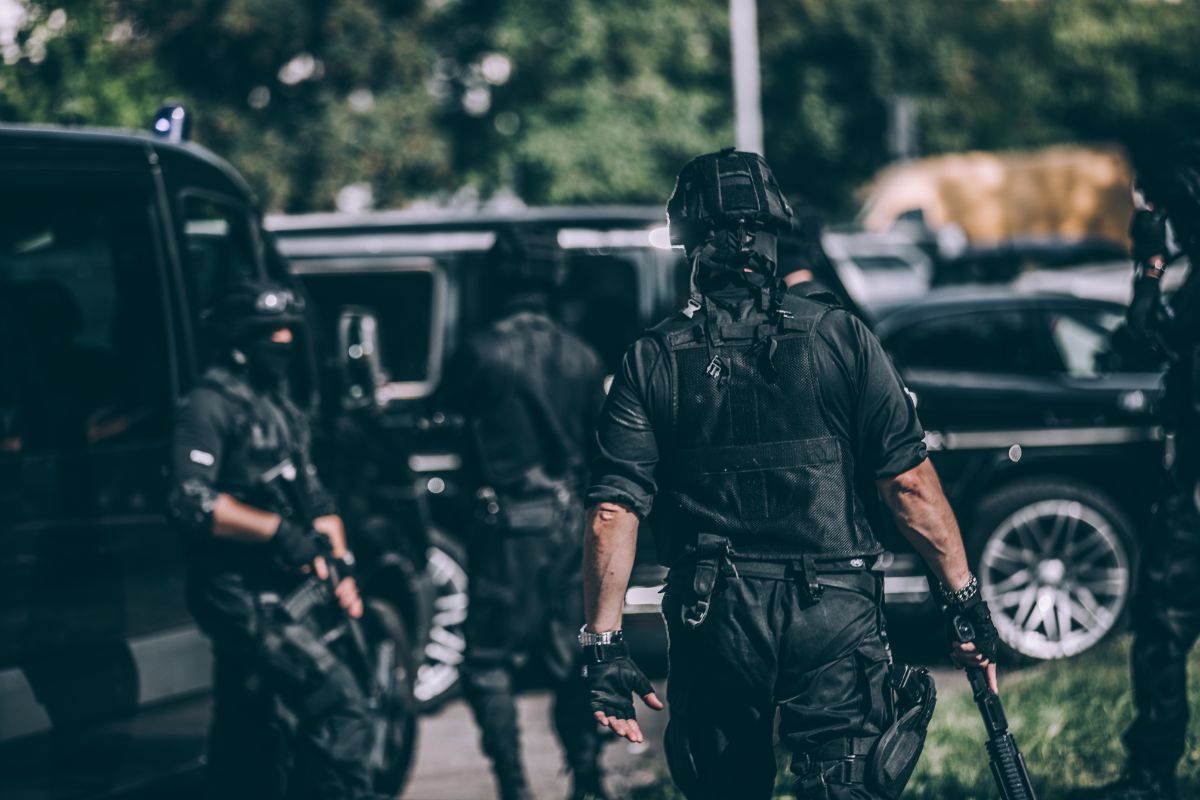
Manchester is one of the UK’s largest and most influential cities, but its size, population and international profile also bring significant security challenges. From everyday offences such as theft and robbery to organised crime, extremist activity and terrorism, maintaining public safety requires constant attention from the police and other authorities.
Recent events have brought these issues into sharper focus. The terrorist attack at Heaton Park Hebrew Congregation Synagogue in October 2025, the UK’s increased terrorism threat level and concerns about antisemitism have all highlighted the importance of security across Greater Manchester.
At the same time, everyday crime remains an important concern for residents, businesses and visitors. Understanding the different risks facing the city helps explain why policing, prevention and community security have become such important priorities.
1. Everyday Crime: Theft, Robbery and Antisocial Behaviour
Street crime remains one of the most visible security challenges in Manchester. The city centre attracts thousands of residents, commuters and visitors every day, creating opportunities for offences including shoplifting, mobile phone theft, pickpocketing and robbery.
Busy shopping districts, nightlife venues and transport hubs can be particularly vulnerable to opportunistic crime. Antisocial behaviour, public disorder and alcohol-related incidents also place pressure on police resources, especially during weekends and major events.
However, recent figures show that some categories of crime have been declining. Greater Manchester Police reported approximately 10,000 fewer crimes across its force area in 2025 compared with the previous year. Burglary fell by 21%, robbery by 16% and knife crime by 13%.
More recent national statistics published by the Office for National Statistics also recorded a 16% reduction in knife-enabled offences recorded by Greater Manchester Police in the year ending June 2026, compared with the previous year.
These improvements are encouraging, but they do not mean that everyday crime has disappeared. Retail theft, violence and antisocial behaviour continue to require attention, particularly in busy urban locations.
2. The UK’s SEVERE Terrorism Threat Level
One of the most significant security concerns affecting Manchester is the UK’s national terrorism threat level.
On 1 May 2026, the Joint Terrorism Analysis Centre raised the national threat level from SUBSTANTIAL to SEVERE. This means that a terrorist attack is considered highly likely somewhere in the UK.
The decision followed the stabbing attack in Golders Green, London, on 29 April 2026, alongside wider concerns about Islamist and extreme right-wing terrorism.
The SEVERE classification is the second-highest level on the UK’s five-point terrorism threat scale. It represents a serious assessment of the country’s security environment and reflects the volume and nature of threats facing the UK.
Manchester has particular reasons to take this assessment seriously. The city has already experienced a devastating terrorist attack against its Jewish community, and authorities continue to monitor threats against vulnerable communities and public institutions.
Although the national assessment does not identify Manchester as a specific target, it means counter-terrorism preparedness remains an important priority for local authorities.
The threat level can change as intelligence develops, so residents and businesses should follow updates from MI5 and the Home Office.
3. The Heaton Park Synagogue Attack: A Turning Point for Manchester Security
The terrorist attack outside Heaton Park Hebrew Congregation Synagogue in Crumpsall on 2 October 2025 was one of the most serious security incidents in Manchester’s recent history.
The attacker drove a vehicle into people outside the synagogue before carrying out a stabbing. Two members of the public, Adrian Daulby and Melvin Cravitz, were killed, while others were injured. The attacker was subsequently shot dead by Greater Manchester Police firearms officers.
Counter Terrorism Policing declared the incident a terrorist attack and took responsibility for the investigation.
The incident exposed the serious consequences of extremist violence and raised urgent questions about the protection of religious institutions.
It also demonstrated the importance of having trained security personnel, effective emergency procedures and rapid communication between police and community organisations.
For Manchester, the attack was not simply another criminal incident. It highlighted the need for stronger protection of vulnerable communities and more effective responses to terrorism-related threats.
4. Security Around Public Spaces and Important Institutions
Protecting public spaces is another major responsibility for Manchester’s security services.
Shopping centres, railway stations, religious buildings, entertainment venues and major public events attract large numbers of people. Their popularity also means that security planning must account for potential criminal activity, public disorder and terrorist threats.
In October 2025, GMP reported that officers had made approximately 16,000 visits to places of worship across Greater Manchester as part of its reassurance and community engagement activity.
Security around transport hubs is also important. Manchester Piccadilly and Victoria stations handle substantial passenger numbers, while the city’s wider public transport network connects busy residential and commercial areas.
Measures such as CCTV, trained security personnel, police patrols and emergency response arrangements contribute to protecting these locations.
However, security is not limited to police officers and physical infrastructure. Venue operators, transport staff, businesses and members of the public all have a role in identifying concerns and reporting suspicious activity.
5. Police Preparedness and Counter-Terrorism Prevention
Greater Manchester Police works with national security organisations, including Counter Terrorism Policing North West, to identify threats and prevent attacks.
One important initiative is Project Servator, which involves specially trained officers carrying out visible and unpredictable deployments in public areas. The aim is to deter criminal activity, disrupt potential hostile reconnaissance and identify suspicious behaviour before an incident occurs.
These deployments can involve uniformed officers, plain-clothes personnel, specialist units and police dogs. Officers also engage with businesses and members of the public to encourage reporting of concerns. These measures are particularly important given the continuing threat from extremist individuals and groups.
Prevention also involves community cooperation. Reporting suspicious activity, sharing relevant information and maintaining relationships between police officers and local organisations can help authorities identify potential threats at an earlier stage.
6. What These Security Challenges Mean for Manchester
Manchester faces several different security challenges, and they require different responses. Everyday crime calls for effective neighbourhood policing, crime prevention and action against repeat offenders. Terrorism requires intelligence gathering, specialist investigations, protective security and cooperation between national and local authorities.
The synagogue attack demonstrated how quickly extremist violence can affect an entire community. The SEVERE national terrorism threat level further underlines the seriousness of the wider security environment.
At the same time, reductions in several conventional crime categories show that police prevention and enforcement can produce measurable improvements.
For residents, businesses and visitors, these developments mean that security should remain an important consideration without unnecessarily disrupting everyday life.
Manchester continues to attract millions of visitors and remains an important centre for business, culture and education. Maintaining that position depends partly on the ability of its authorities and communities to respond effectively to emerging threats.
Disclaimer: This news article is provided for informational purposes only and does not constitute official security guidance or endorsement. Readers are encouraged to verify all facts independently through official police or law enforcement channels and seek appropriate professional advice where necessary.